Mandy Lights “Winter Light Cathedral” installation at Aotea Square, Auckland

Last Photo before I finally freeze this site and turn it all to static (pages)
Mandy Lights “Winter Light Cathedral” installation at Aotea Square, Auckland
Last Photo before I finally freeze this site and turn it all to static (pages)
Just gotten word from WordFence security plug-in there’s another critical bug with another plug-in I had. The errant plug in has since been disabled and removed, but it does highlight a wider issue with regards to website maintainability given this is (or was) just a personal / family site… (Continued below)
Combined with reading about a recently reported Linux Kernel “Copy-Fail” CVE, Have taken the opportunity to move this site back to managed hosting from unmanaged VPS, “Freeze” this site (as much as possible) in the backend and stop posting to it indefinitely. Consequently this means the comment facility has also been disabled. The site will likely remain like this until I can find better uses of the domain name.
Some closing thoughts…
As an otherwise ordinary random member of the public, I don’t feel like there is any value in me trying maintain this site let alone bother to air my personal thoughts in a publicly accessible setting. I don’t consider myself a proficient writer and while I’m in I.T / Software Development. Web development isn’t my specialty.
Given there are very few (if any) inbound links from other sites, I’m surprised at how some of the content here is supposedly appearing high in the SERPs of various Search Engines as these posts of mine are mainly just public thoughts rather than well researched articles.
This type of site, the “personal homepage”, is a relic from the time I was a wee kid in the 90s when almost everyone and their pet had a Geocities account or space at their ISP e.g homepages.ihug.co.nz/~userID. Most people have long since moved on to social media platforms.
As mentioned on the originally pinned “About” post. I had set up this site as a friends and family domain, but frankly it has outlived this purpose.
If you’ve received a Private Parking Breach Notice from the likes of…
…then suggest having a read of notafine.nz for guidance which another Netizen has kindly set up.
While I haven’t received a PBN myself and while I understand businesses must grapple with ensuring adequate parking is available for their customers, I personally find the idea of strict parking compliance monitoring by 3rd parties, some with a vested interest in issuing as may PBNs as possible via CCTV as their primary profit strategy, very irksome and hostile as a consumer and am now personally going out of my way to avoid shopping at any locations and centres that are overseen by either Parking Services Limited and Smart Compliance Management.
Special exceptions may be made if a given business in a multi-tenant situation (who has either of those two companies monitoring the shared car parking facility where they are situated in) has indicated they have made representations to the land owner / property manager / body corporate against this sort of parking management arrangement. Never the less, the existence of either of these two organizations provides a significant personal psychological barrier to my visitation unless the business is otherwise easily accessible by either Public Transport or has Public (council or on street) parking nearby.
Email I got back from Fonterra Brands Customer Service regarding not being able to find the larger Anchor Probiotic+ yoghurt tubs…
Dear XXXX,
Thank you for taking the time to contact us.
It’s great that you enjoyed our so much and we’re sorry it’s no longer available.
Here at Fonterra, we want all our products to stand the test of time but sadly it’s not always possible. Occasionally there are circumstances that mean we need to discontinue a product.
Loyal customers mean everything to us and we understand how disappointing it can be. We don’t take these matters lightly and do our best to let fans know about any major changes.
Again, we’re sorry your favourite is no longer on the shelves.
Kind Regards,
XXXX X
FBNZ Customer & Consumer Services Team
SIXT Australia is entirely owned by The NRMA (Motoring and Services).
They were previously branded as Thrifty Australia Car and Truck Rental.
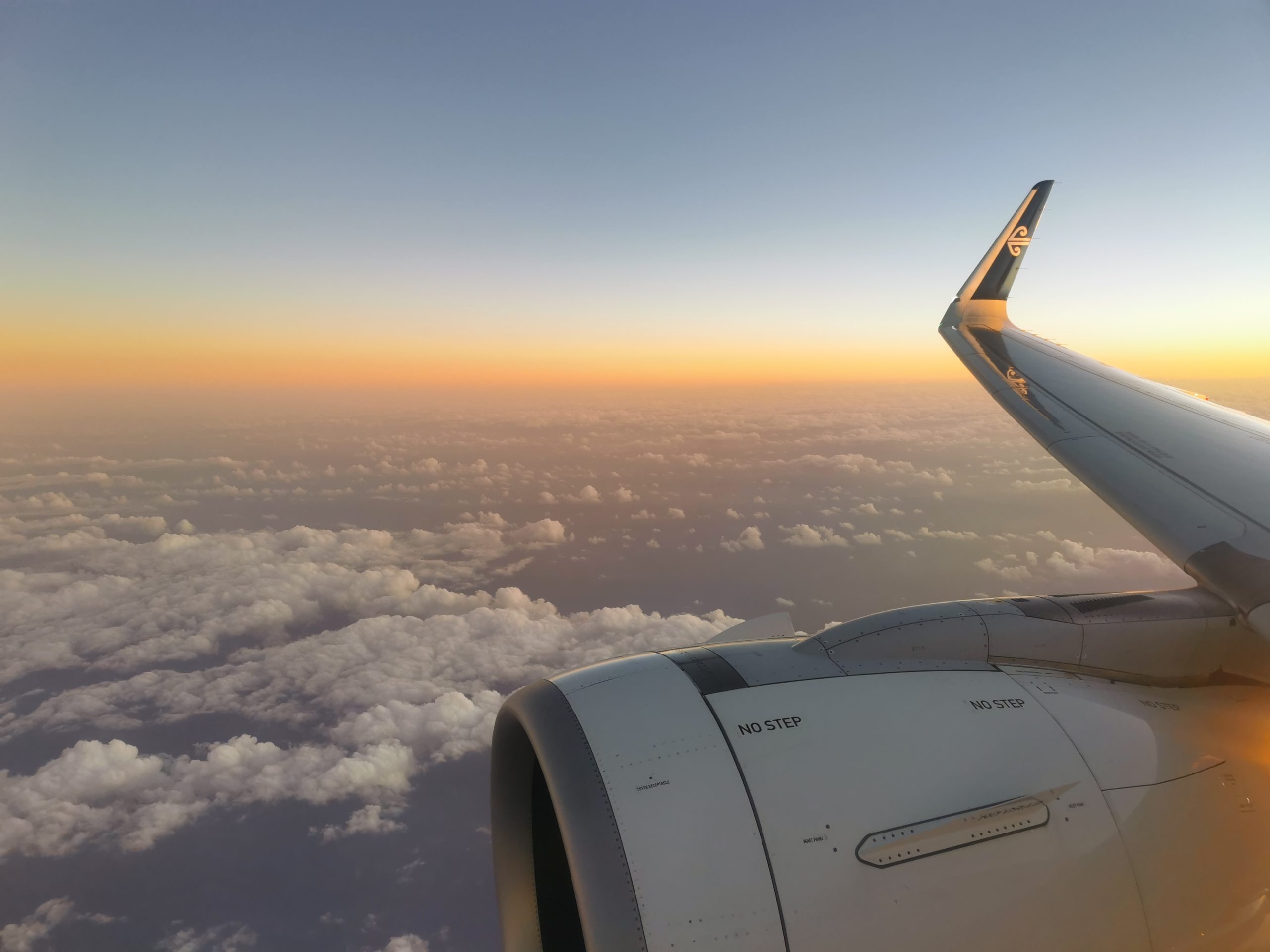
Average Photo of clouds and dusk.
As a aside, thinking of moving all the thoughts and posts off of this domain and putting them elsewhere. As it currently stands, this site is intended to be a collection of informal public notes and commentary and are certainly not intended to be formal articles or researched reports, but simply my personal reflections as an otherwise little-known member of the public based on available information and lived interpretation at the time of writing them. Admittedly, the domain peak.nz may unwittingly give these thought posts more authority than they ought to receive.
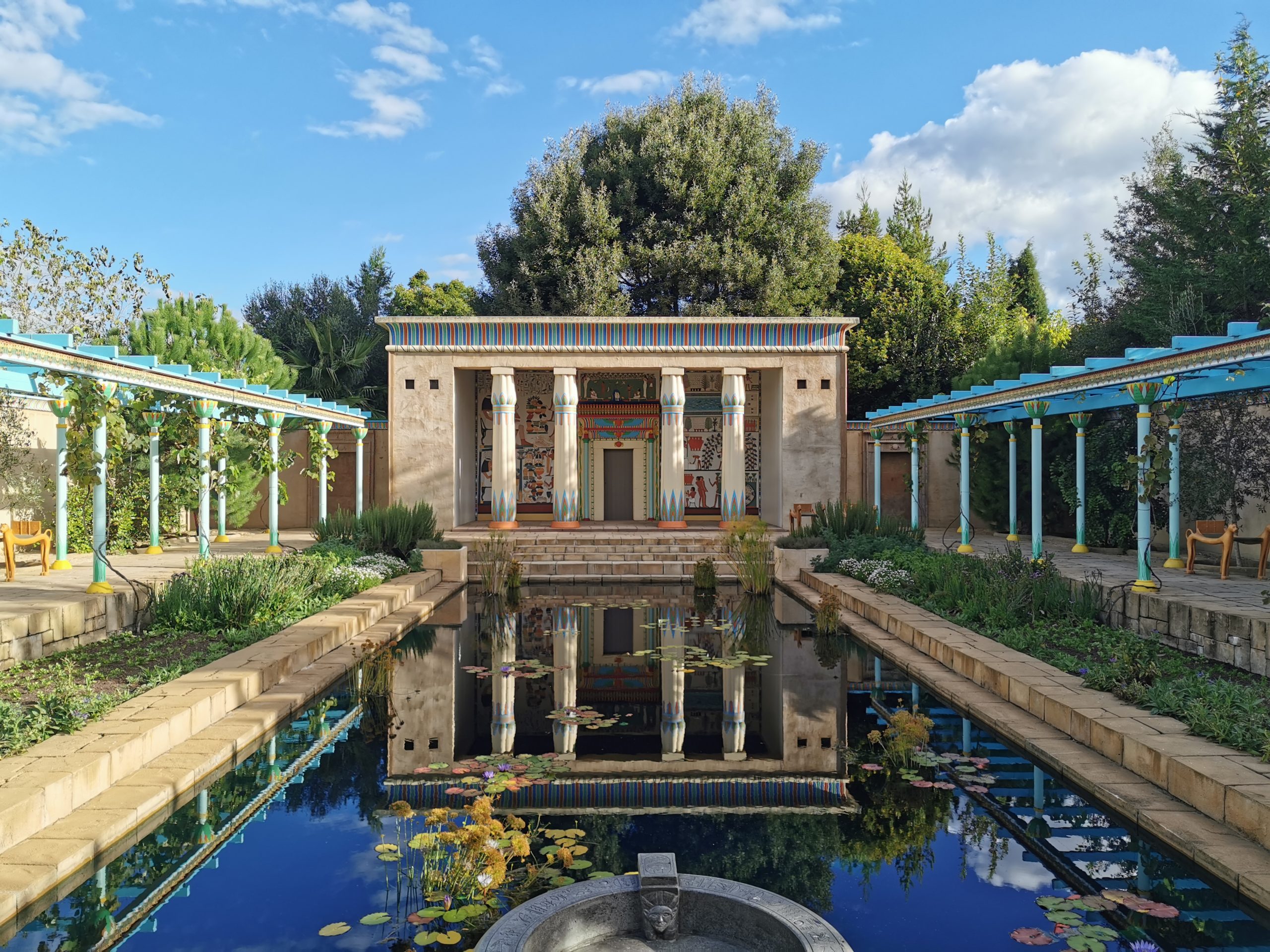
Another shot from Hamilton gardens…
Despite the powers to be narrating about modal shift in terms of our obligations towards emission reductions / climate change, “Vision Zero” / “Road to Zero” (where no deaths / serious injuries occur on transport), and congestion reduction – The initiatives to encourage people out of cars and on to Public Transport and Active modes at least in Auckland have not been adequate. Frankly the policy narratives on the part of many government agencies don’t match their actions.
There are a few major things playing against modal shift in Auckland. These include…
I’m of the opinion that unless you go into the Auckland CBD regularly or you are lucky enough to be on a direct Public Transport route to where you need to go to or require only a single transfer across two high frequency services, then Public Transport as it’s structured today in Auckland isn’t going to meet the needs of many if not most commuters.
In terms of my own situation…
I work in East Tamaki in an I.T. / Software development role. To get from my home near Meadowbank Shopping centre to my work place in Kerwyn Avenue, East Tamaki Industrial, I would need to take a minimum of 3 buses with a travel time of 1.5 hours each way. Sure, you can fritter away on your phone for that time or simply look out the window and observe the world go by, but with the number of transfers. It’s no soon you have to remember to push the “bus stopping” buzzer, prepare to alight and look out for the next service to catch.
Car takes around 25 minutes in (Morning) and about an hour to get back (Afternoon). However, the travel time is increasing each year as more people move to Auckland resulting in increased traffic volumes in already saturated roads. Agencies and councilors are championing the Eastern Busway as some transformational thing… It is not. Unlike the Northern Busway, the Eastern Busway is full of “at grade” intersections at arguably very busy intersections.
I’ve tried to use public transport for most other journeys, particularly in the weekends. It works Okay if you’re not in a hurry to get any where, but have found it’s still quicker to drive. This applies even for busy events (festivals) where it’s quicker to drive, park up further out and walk to the event.
The final nail in the coffin for me has been the frequent enough cascading “missing tag” errors when paying for public transport.
In conclusion…
Given the current trajectory and the competing incentives even within Auckland Council itself. I’m not confident that Auckland will meaningfully ween itself off of Car dependency / Car-centricity for the foreseeable future, at least not in the next few decades. This I feel is caused in large part by a multi-agency failure to work together and deliver for the public.
Car dependent, congested transport hellscape with key zones scattered all over the show. Worse of both worlds for Public Transport users and Drivers including business traffic.
No corridor protection for either Public Transit spines nor Motorway spines.
Any bus routes implemented in the area made to zig zag all over the place. Public transport typically taking 3-4 times longer than car in this area.
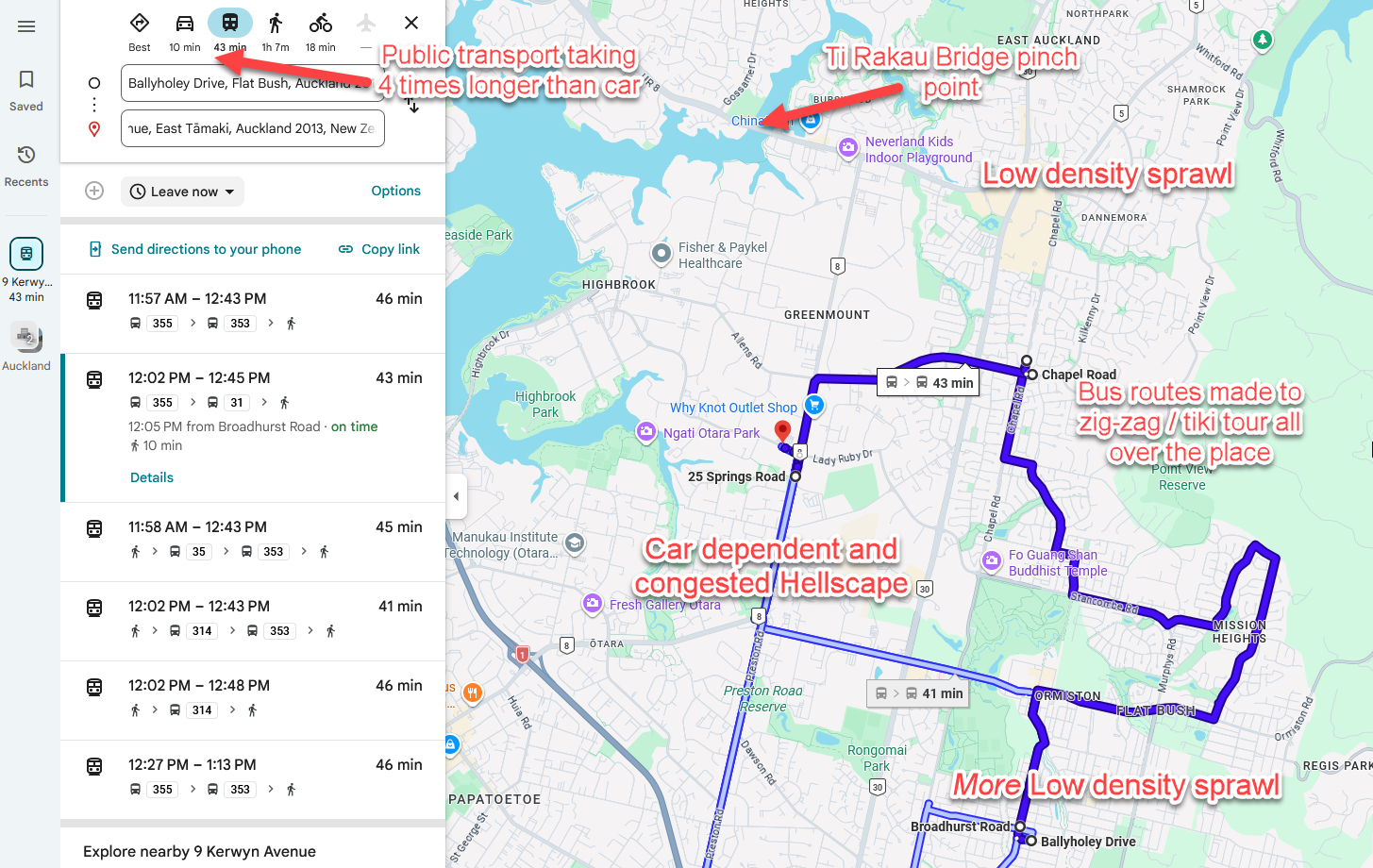
Large area served only by a handful of undersized traffic-light laden arterials (Ti Rakau / East Tamaki Road)
Lack of direct roading links into East Tamaki industrial area to the west and north means having to detour in the opposite direction before proceeding in the direction you want to go wasting time and causing congested clash points in traffic flow.
Ti Rakau Bridge is beyond capacity and is a real pinch point for traffic between the suburbs of Pakuranga and the Botany / East Tamaki area.
Eastern Busway (unlike the Northern busway) that is currently being built is full of at-grade intersections and I struggle to understand how, even with aggressive traffic signal prioritization is this going to successfully encourage modal shift.
Continued unrestrained sprawl out towards Ormiston / Flat bush ensures the pinch points East of the Tamaki river will remain under pressure for the foreseeable future. Residents having to cross existing already overloaded arterials to get out to the rest of Auckland.
All round a very poor show — Particularly for a city that is allegedly in a developed nation.
Update 28/02/2026: Had a chat with NZTA / AT at the Drury Open day 28th February 2026 to relay my concerns. In aggregate…
—
We keep sprawling out while failing to protect needed future transport corridors. This is unusual for a city in a developed nation.
Look at the area East of the Tamaki River in Auckland. Endless sprawl without either a grade separated transit (busway or rail) spine or a motorway spine.
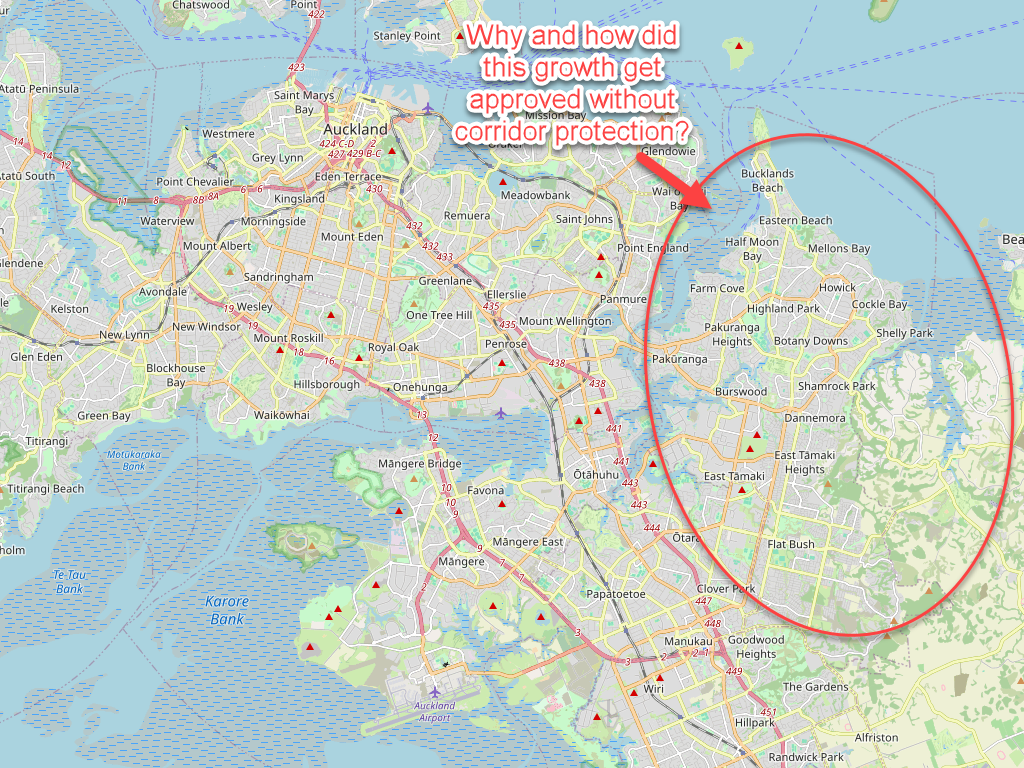
Instead we have endless traffic light infested arterials. Worse, traffic lights that do not seem to be optimised to keep platoons of vehicles flowing smoothly in either direction
Even Worse, many of those newer developments such as Flat Bush and Ormiston aren’t any where near a bus service, so what are residents / households who move into the area going to do? Buy a fleet of cars adding ever more cars into an already deeply constrained Auckland wide roading network. Once household travel patterns becomes establish it is then very hard to reverse. This basically guarantees we will be stuck in a cycle of car dependency and abject congestion as a city for the foreseeable future.
Any bus services we have are made to “zig zag” over the area.
It is clear (unlike cities in other developed countries) we have not learned from our past mistakes and this is personally the bit I find hardest to reconcile.
Of course once the concrete is laid down, it is often very difficult and costly to fix it later on especially if we haven’t reserved any corridors. Look at the Eastern Busway. We ended up having to acquire and demolish houses at huge cost. — I for one am going to say up front this project isn’t going to be the saviour of East Auckland as we believe it is going to be. Too many “at-grade” intersections, unlike the Northern Busway.
As an ordinary rate-paying resident, I’m at a total loss at what I can do. I’ve submitted my views where I can to the Council, AT and other government agencies involved both during consultations and outside of it but feel like I’m being stonewalled. I’m surprised transport advocates whether they are pro-PT or Pro-car haven’t also spotted this and kicked up a fuss.
Photo from a past road trip.
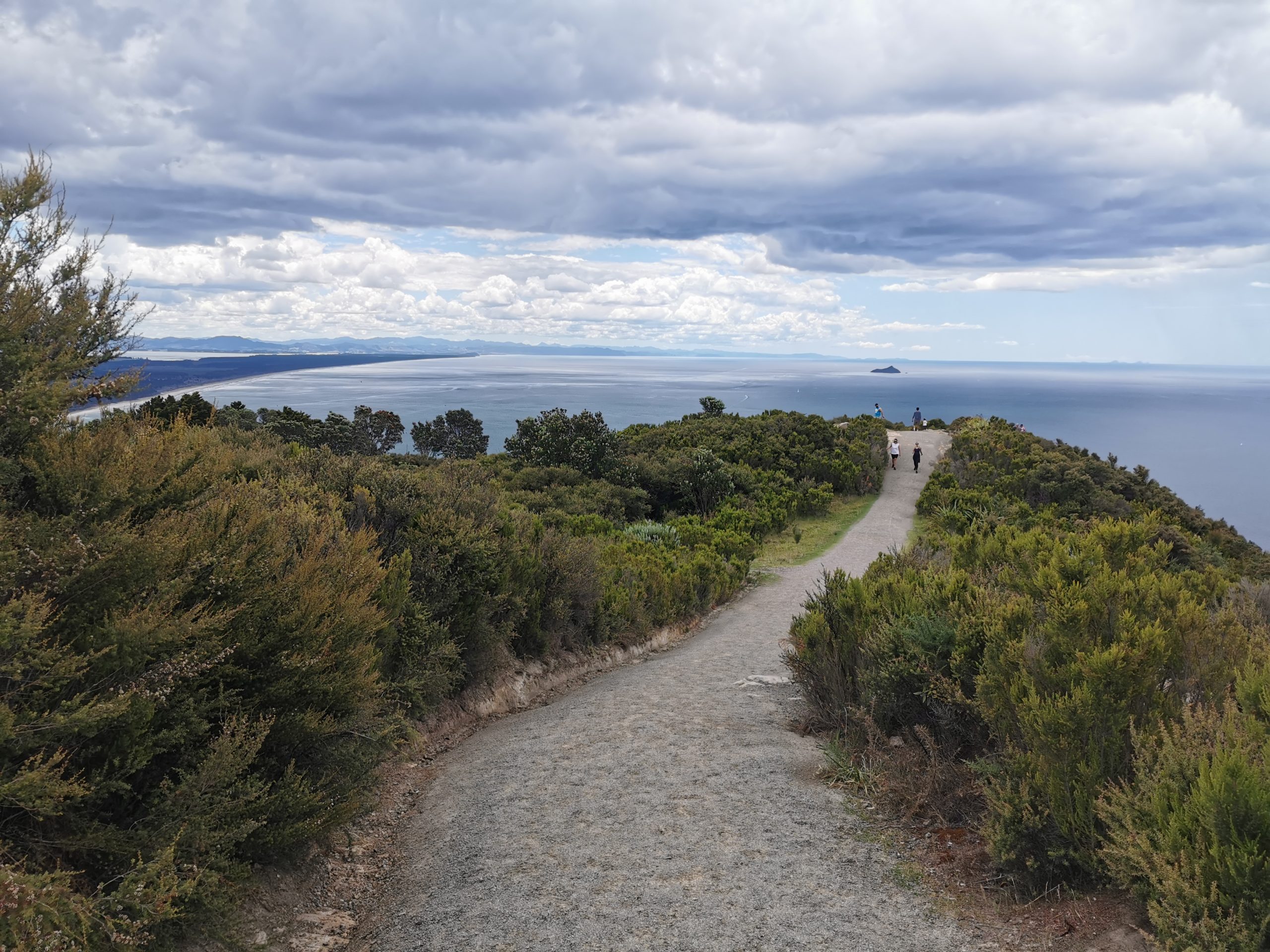
Nothing really new on the personal front to report.
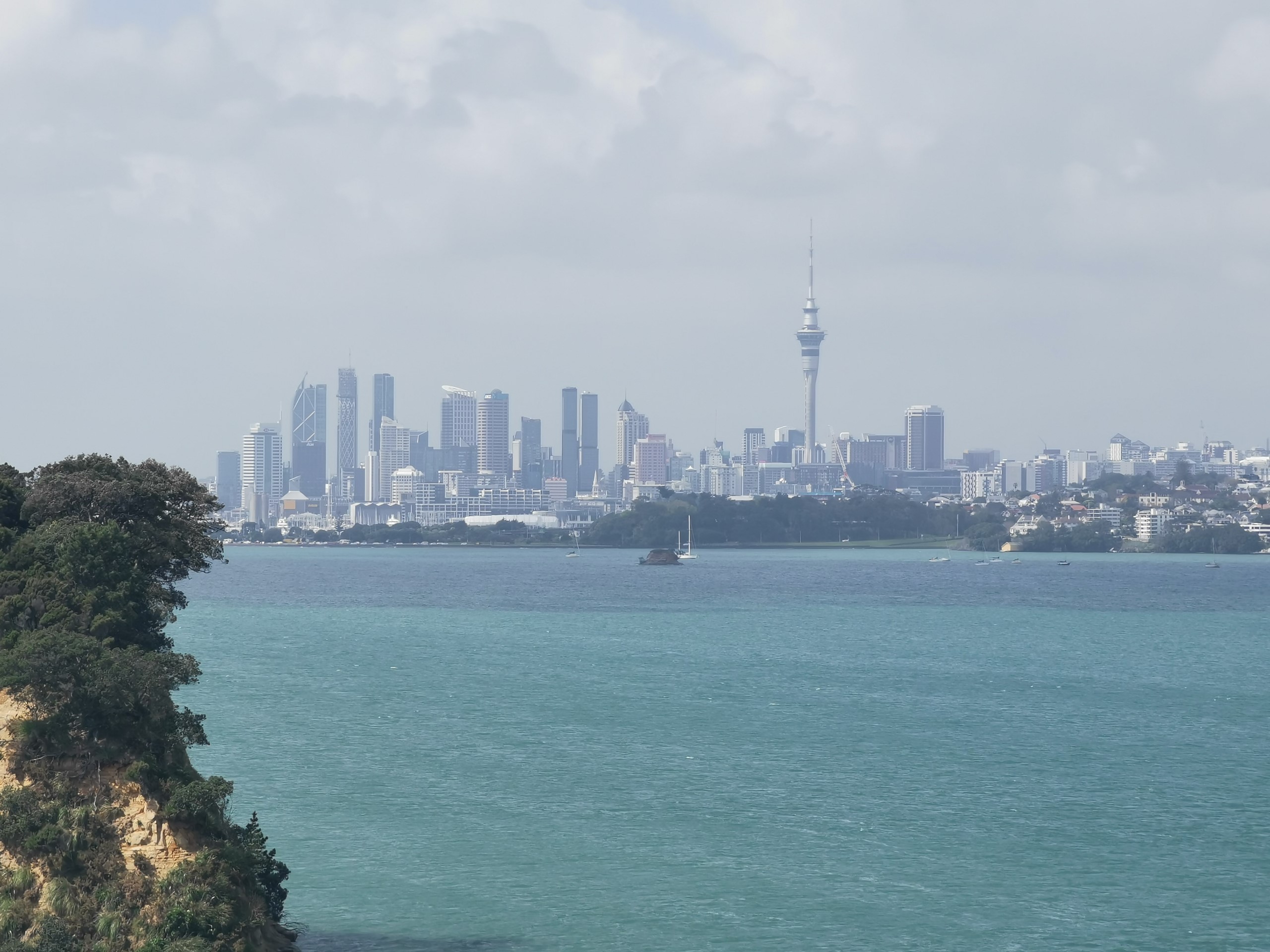
Auckland CBD from Kauri point reserve (North shore)
Known businesses who use Parking Services Ltd. (Based out in Tauranga) to manage their customer car parks…
Know of any others, please let me know in the comments section below. Cheers.
Test post, ignore
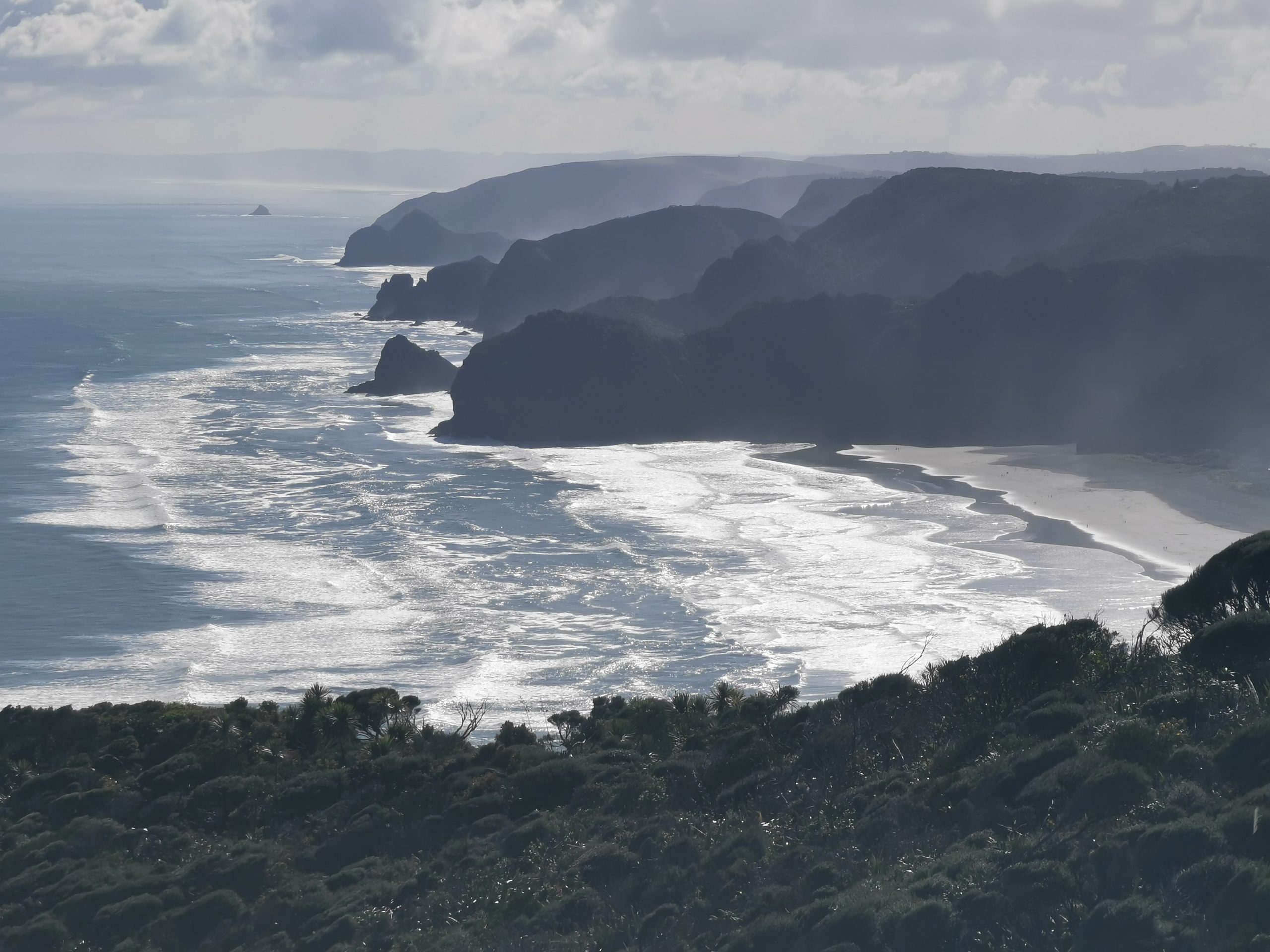
Photo from Auckland West Coast…
Another netizen has kindly set up a better resource at notafine.nz (“Not A Fine”). Please visit that site instead for guidance on dealing with any private parking breach notices you may receive.
As an individual consumer, I’m withdrawing my custom from any business who chooses to contract or partner with “Parking Services Ltd”.
Disclaimer: This post below is No Longer being updated and is probably out of date. This was my personal opinion as a concerned member of the public and is for informational purposes only. It does not constitute legal advice. If you are the recipient of such a breach notice from a private parking firm, suggest consider speaking to a legal advisor or the Citizens Advice Bureau.
In recent years, I’ve watched with alarm and indignation as remote private parking enforcement companies like Parking Services Ltd and Smart Compliance Management Ltd have gained a greater foothold in New Zealand. While I’ve personally never received a parking breach notice from either of them, what I’ve seen and what others have highlighted I feel raises serious questions about fairness, legality, and ethics.
If you or someone you know happens to receive such a notice from a private parking enforcement firm, please don’t just pay it blindly. Here’s what you can do. Continue reading “Parking Services Ltd and Similar Ilk: Know Your Rights and Push Back”
Piazza at Hamilton Gardens. Little / short roadtrip to get out of Auckland for a while to collect my thoughts + a short hike at the North end of Hakarimata ranges. Trails appear to be rather quiet currently.
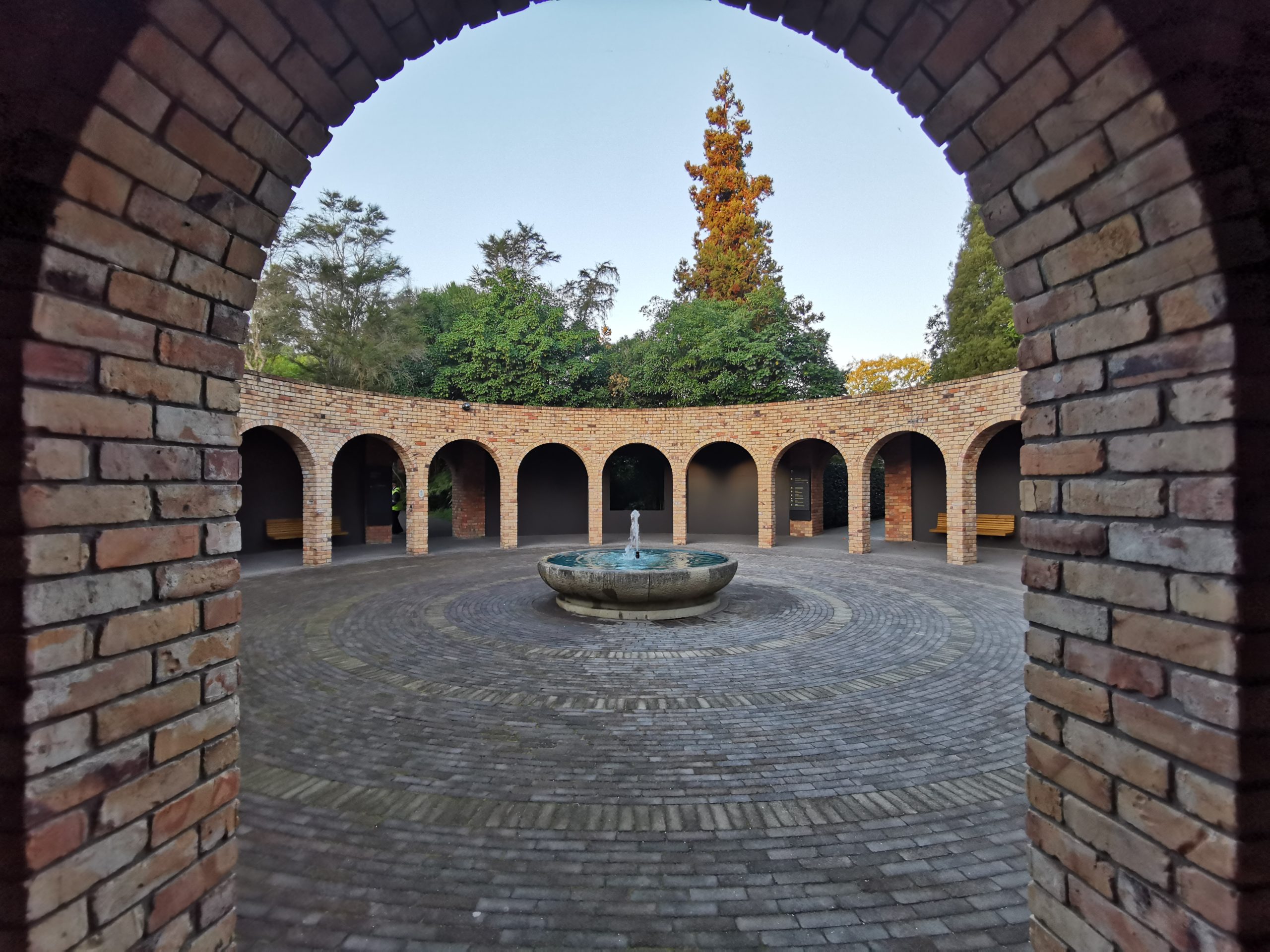
In other news. Yes, to confirm the stories on the grapevine, I did indeed purchased yet another rental property earlier this year. (Why people seem to be so fascinated at this, I wouldn’t know…)
Kaiate Falls (Lower).
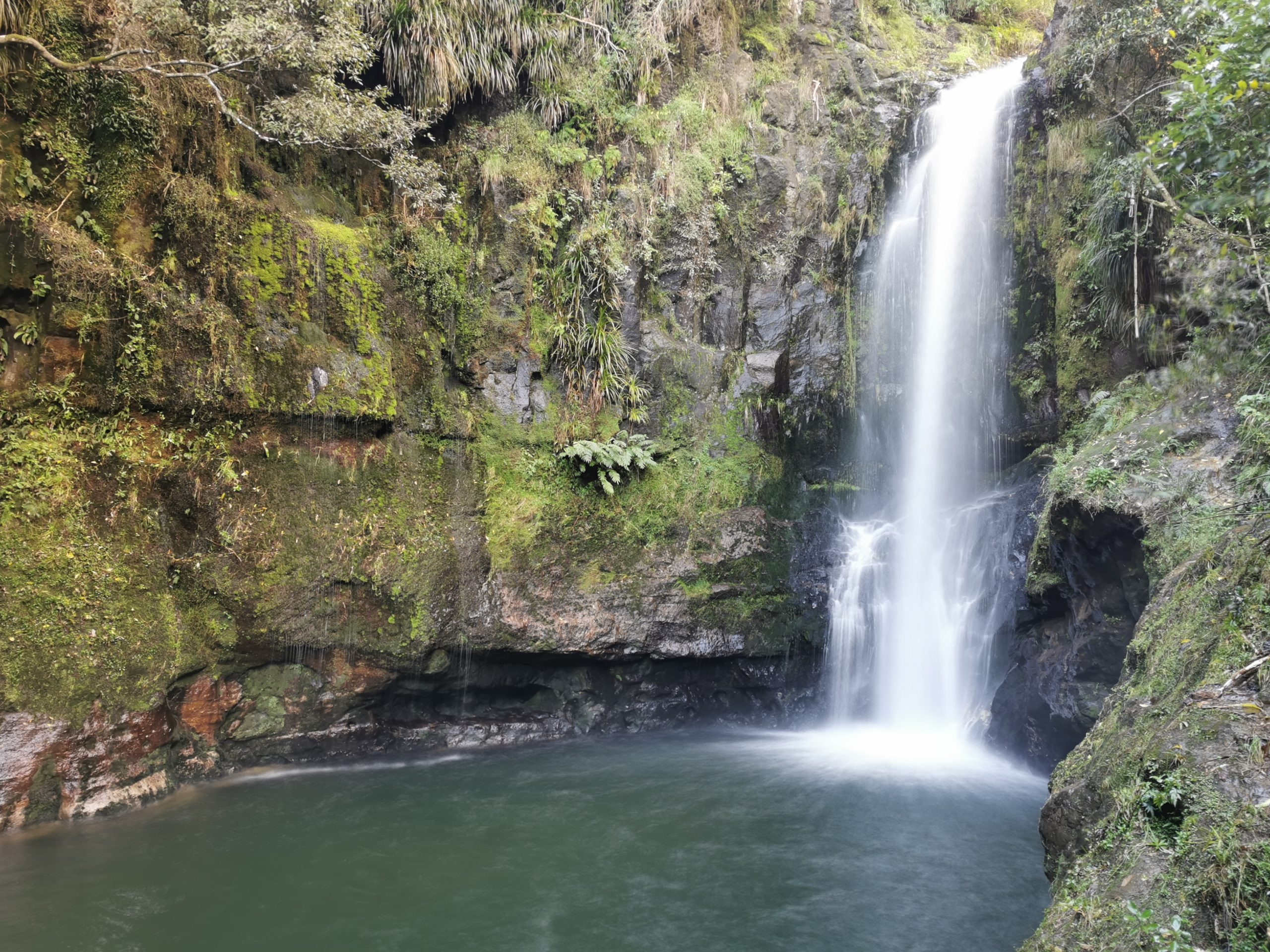
Western Bay of Plenty district council page for Kaiate Falls
Autumnal colours.
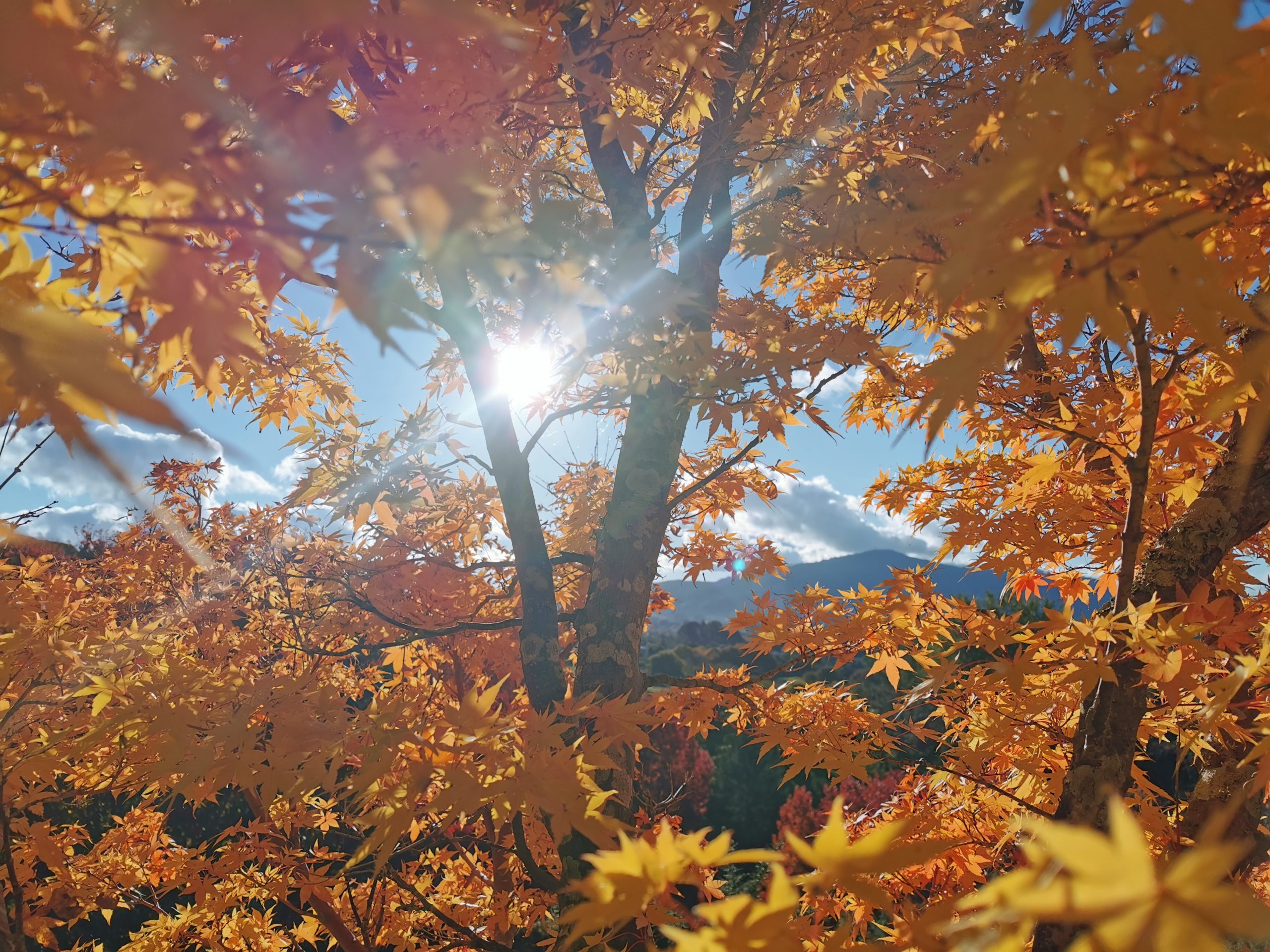
There’s little I can do to fix the state of the state of humanity or the world as an individual. Can only ever hope to look after my little part of it and “bear witness” I suppose. I’ve said my piece, and shall hunker down.
The world is changing, people are changing. I don’t necessarily agree with (nor understand) the way the world is currently headed, but other than continuing to express my views and concerns to elect representatives, “chewing the fat” with friends and family over the challenges facing society, participating in public consultations held by any government agency, discussing civics in a broader setting and continuing to partake in civic discourse, I otherwise feel powerless to effect any change as an individual.
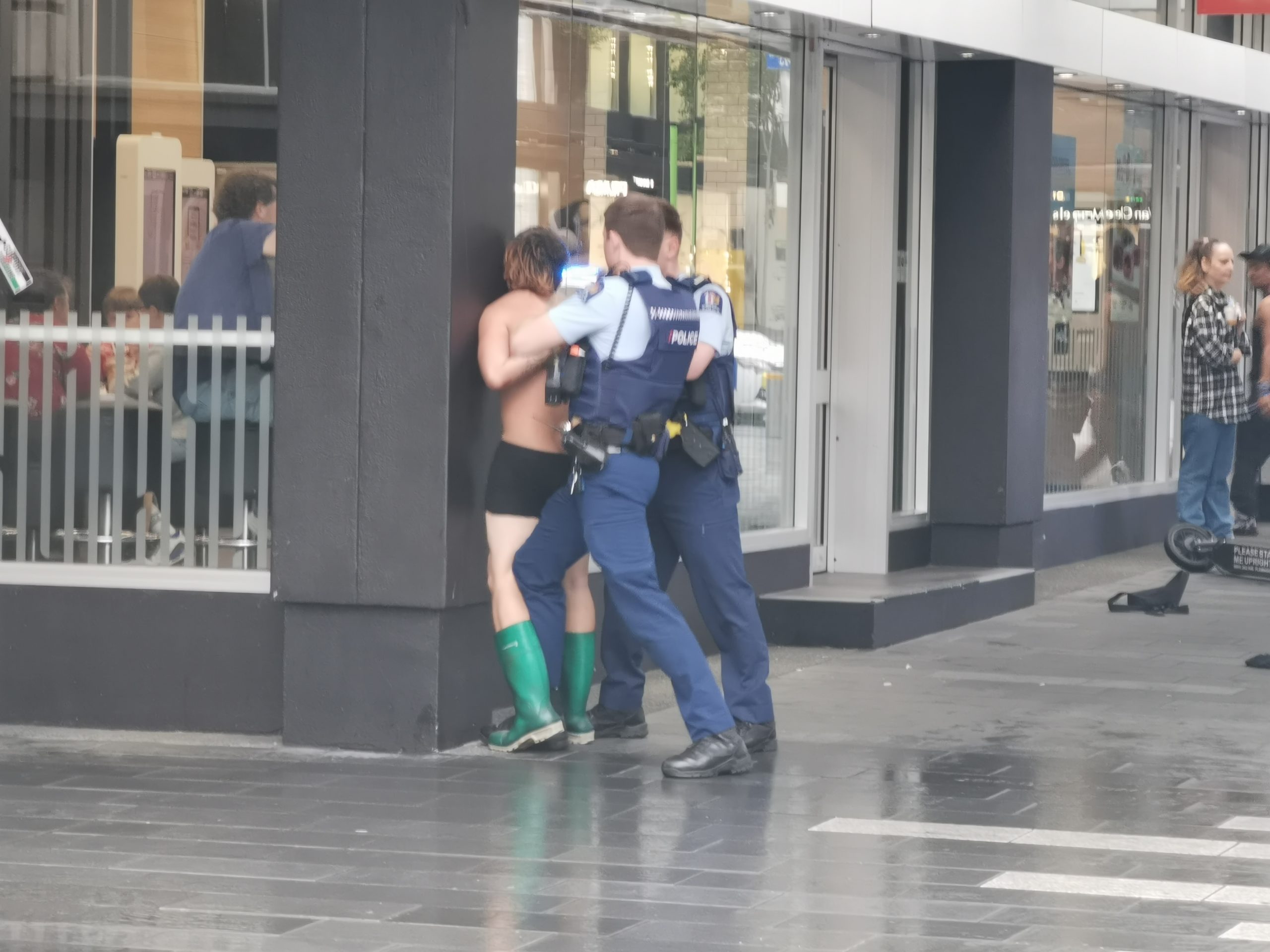
In a way, it feels like some sort of generalized regression or devolution is slowly creeping in to the human species, but can’t put my finger on the root of it. Closer to home, It just seems some kind of ‘strangeness’ is happening. E.g. Everytime I head out, chances are very good that I will witness at least one incident of people losing their shit in a public freakout. People obviously under the influence smashing things, public shouting matches between groups of people, physical assault along with other public disorder incidents. In truth, it is beginning to feel like scenes out of a zombie movie at times as obvious drug use continues to increasingly grip society.
As my uncle said to me, you can’t save the world and you know what? He is 100% right. Going to be hunkering down, closing up a bit, sticking to my knitting as it were, and focussing more on taking care of the people who matter the most in my life. (Engaging Some sort of self defense mode as it were).
I’ve tried (and I shall continue to try – through continuing to engage in the civic process over issues such as housing affordability, inequality, infrastructure, public health, transport, public safety, among other social issues), but the reality is, there’s little else I can do and anything I do in the overall scheme of things has little impact on the prevailing. Embrace human imperfection, I guess. Even if any fix for any given social issue may seem glaringly obvious.
I’m also anticipating in due course, I will probably eventually stop updating this site entirely. I’m seeing little point in continuing to write and spell out my thoughts here.